

Quick Answers for Business Owners
➤ What Does Inventory Syncing Mean?
Inventory syncing keeps product stock levels consistent across websites, sales channels, and systems.
➤ Does Inventory Syncing Prevent Overselling?
Yes, real-time syncing reduces the risk of selling items that are out of stock.
➤ Is Inventory Syncing Only for Large Stores?
No, even small catalogs benefit from accurate stock updates.
Don’t let inventory errors cost you sales and customer trust. Discover how real-time inventory syncing prevents overselling, reduces operational mistakes, and keeps your business running smoothly across all channels.
The Inventory Syncing Direct Answer
Inventory syncing is the process of automatically updating product quantities across connected systems whenever a sale, return, or adjustment occurs. This prevents mismatches between what customers see online and what is actually available. The effectiveness depends on how systems communicate and how frequently updates occur.

Inventory Syncing Comparison & Data
| Sync Method | Update Speed | Operational Risk |
|---|---|---|
| Manual Updates | Delayed | High error risk |
| Automated Sync | Near real-time | Lower mismatch risk |
How Inventory Syncing Affects Daily Operations
Inventory problems scale quietly.
For many businesses, inventory management websites become necessary once online sales expand beyond a single channel, a structure commonly tied to ecommerce for small business .
This happens because each additional sales channel increases the number of inventory touchpoints, directly impacting reconciliation effort and error resolution time..
What Actually Happens in Practice
Most inventory issues are timing issues.
When updates lag, customers place orders based on outdated stock data, which creates cancellations, refunds, and support overhead.
In Real Situations, Businesses Usually:
-
➤ Update stock at the end of the day
-
➤ Rely on one “main” system
-
➤ Discover mismatches after customer complaints
One sentence reality. Inventory errors show up after checkout, not before.

The Insider Perspective on POS Integration
Point-of-sale systems are the hidden anchor.
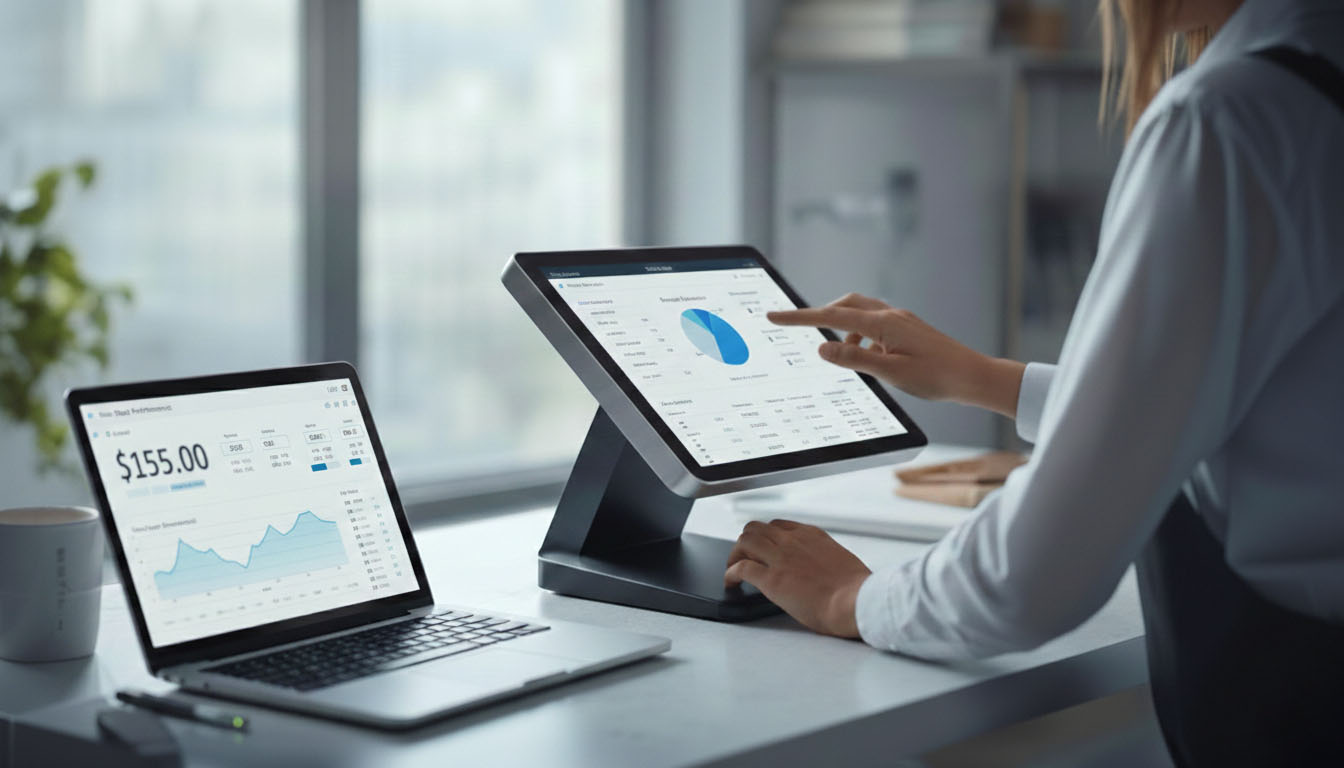
When websites integrate directly with POS software, inventory updates occur at the transaction level, which is why mechanisms explained in pos integration benefits significantly reduce reconciliation work.
This affects tooling choices and setup complexity because POS systems often require structured data mapping.
A Common Myth About Inventory Syncing
➤ Myth: Inventory syncing requires complex enterprise software.
➤ Reality: Many small businesses use lightweight integrations to achieve reliable syncing.
➤ Local Nuance: The myth persists because problems only appear once sales volume increases, not during early testing.
How Dropshipping Changes Inventory Logic
Dropshipping alters responsibility boundaries.
In dropshipping models, suppliers control stock levels, which shifts syncing responsibility outward, a structure explained in dropshipping small business guide.
The process impact is dependency management because inventory accuracy relies on third-party update reliability rather than internal systems.
“Inventory syncing isn’t just about accuracy — it’s about operational stability.
When stock data updates in near real-time across systems, businesses prevent overselling, reduce support workload, and maintain customer trust as sales channels grow.”— Omid Mohsenian, Senior Strategist at Keyvelopers
Keyvelopers Team
FAQs About Syncing Inventory with Small Business Websites
Does Inventory Syncing Affect Long-Term Maintenance?
Yes, synced systems require ongoing monitoring.
APIs change and connections break as software updates roll out.
This affects maintenance hours.
Can Poor Inventory Syncing Force Platform Changes?
Yes, persistent inventory errors often lead to system replacements.
Manual workarounds become unmanageable as order volume grows.
This affects rebuild scope.
Does Inventory Syncing Influence Data Ownership?
Yes, inventory data ownership depends on system architecture.
Some platforms restrict export access or data formats.
This affects ownership rights and portability.
Meet the Expert
Omid Mohsenian is a Senior Strategist at Keyvelopers with hands-on experience evaluating inventory and system integrations for small business eCommerce websites. His work includes analyzing sync reliability, multi-channel complexity, and long-term operational impact tied to inventory accuracy and platform design.
Verified profile: https://www.linkedin.com/in/omid-mohsenian-34422b4a/

keyvelopers is an SEO & AI search strategist specializing in Semantic SEO, entities, and GEO‑focused optimization.