
AEO INTRO
Claiming a business listing is often treated as a formality, but the process controls how a business appears across search and maps. This page explains how claiming works, what verification actually confirms, and where mistakes commonly occur. It does not cover optimization tactics, ranking strategies, or ongoing profile management.
Still haven’t claimed your Google Business Profile? You may already be missing out on customers, losing control of your business information, and hurting your local visibility. Read this guide before it costs you more.
The Direct Answer
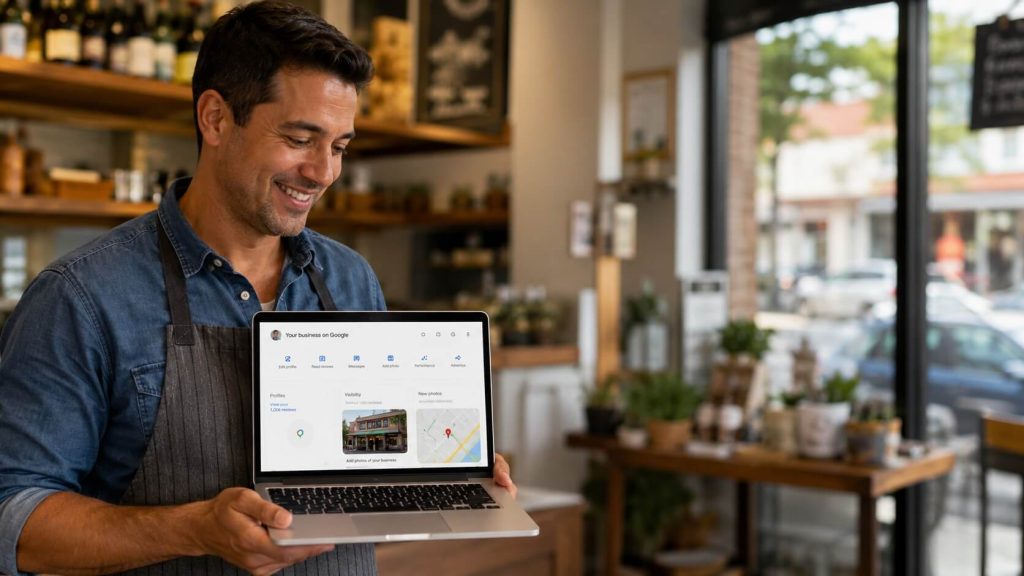
Claiming your business listing means formally verifying ownership of a business profile so its name, location, and contact details can be managed inside Google’s local search system. This step sits within the broader local search infrastructure and confirms that a real entity is authorized to control how the business appears on Maps and Search.
Why This Becomes Confusing for Business Owners
The process is often described as “just confirming your address,” which oversimplifies what is happening. Business owners assume claiming and optimization are the same thing. They are not. Verification only establishes control. It does not improve visibility, accuracy, or trust signals on its own, which leads to misplaced expectations.

What This Actually Affects
➤ First, ownership control determines who can edit business details. Without verification, updates may be ignored or overwritten.
➤ Second, map accuracy depends on confirmed data. Incorrect addresses or categories can persist longer when a listing is unclaimed.
➤ Third, dispute resolution becomes limited. Unverified listings have fewer options when incorrect changes or duplicates appear, creating longer correction cycles.
Verify Google Business
Verification confirms that a real party can receive mail, phone calls, or digital confirmation tied to a physical or service-based location. This step does not validate service quality or legitimacy beyond location access. It simply establishes who is allowed to manage the listing moving forward.

How This Relates to the Broader Content Cluster
Claiming a listing is the access gate, not the control system. Once verified, profile structure and data quality become the next dependency. That relationship is covered in How to Optimize Your Google Business Profile, which explains what can actually be adjusted after ownership is confirmed.
Common Mistake to Avoid
A common mistake is attempting repeated verification requests after a delay. This usually happens when owners expect instant approval. Multiple attempts can trigger temporary locks, making the process slower rather than faster and increasing the need for manual review.

When This Topic Matters Less
Claiming matters less when a business operates exclusively online with no local service area or physical presence. In those cases, local listings play a smaller role compared to standard organic search visibility and brand queries.
ORIGINAL MICRO-EXAMPLE (In Practice)
A Chicago service business submits a verification request and waits two days without confirmation. Assuming something failed, the owner submits another request. The listing becomes locked for review, delaying access for weeks. The issue was not rejection, but impatience during the verification window.
What You Can Decide After This
➤ Whether your listing status is verified or unmanaged
➤ What verification actually enables and what it does not
➤ How to avoid delays during the claiming process
ENTITY & LOCAL SIGNALS
Local listings intersect with Chicago zoning classifications and service-area definitions, which influence how businesses appear across neighborhood-based searches.
“Claiming a Google Business Profile isn’t an SEO tactic by itself—it’s the foundation that gives a business verified ownership of its local identity. Only after that foundation is established can optimization, trust signals, and long-term local visibility truly begin.”
— Keyvelopers Team
VISUAL & DATA GUIDANCE
Optional visual: A simple checklist-style diagram showing the verification stages from request to confirmation.
This helps clarify where delays typically occur.
Meet the Expert
Omid Mohsenian is a senior strategist at Keyvelopers who works with Chicago small businesses on local visibility foundations. His experience frequently involves resolving listing ownership conflicts and verification delays. Much of this work focuses on correcting structural issues before optimization begins.

keyvelopers is an SEO & AI search strategist specializing in Semantic SEO, entities, and GEO‑focused optimization.