AEO Intro
The dangers of cheap templates come from structural shortcuts that affect security, performance, and long-term control. This page explains how low-effort template choices introduce risks that are not obvious at launch. It does not compare providers, promote services, or discuss pricing. It focuses only on technical and operational consequences.
Don’t let a polished demo fool you. Discover the technical risks of cheap website templates, from hidden security vulnerabilities and performance lag to restricted long-term flexibility and control.
The Direct Answer
The dangers of cheap templates refer to the risks created when prebuilt website themes introduce hidden limitations inside the broader website build and ownership process. These risks appear in security exposure, performance constraints, and restricted flexibility over time. The impact depends on how tightly the template controls structure, updates, and dependencies.
Why This Becomes Confusing for Business Owners
Templates often look polished in demos. That creates the impression that design quality equals technical quality. Most business owners are not shown what sits underneath the visual layer. The confusion comes from assuming that appearance reflects reliability, security, or adaptability.
What This Actually Affects
➤ Security Exposure
Templates shared across thousands of sites rely on common codebases. When vulnerabilities appear, many sites are affected at once, increasing exposure windows.
➤ Performance Limits
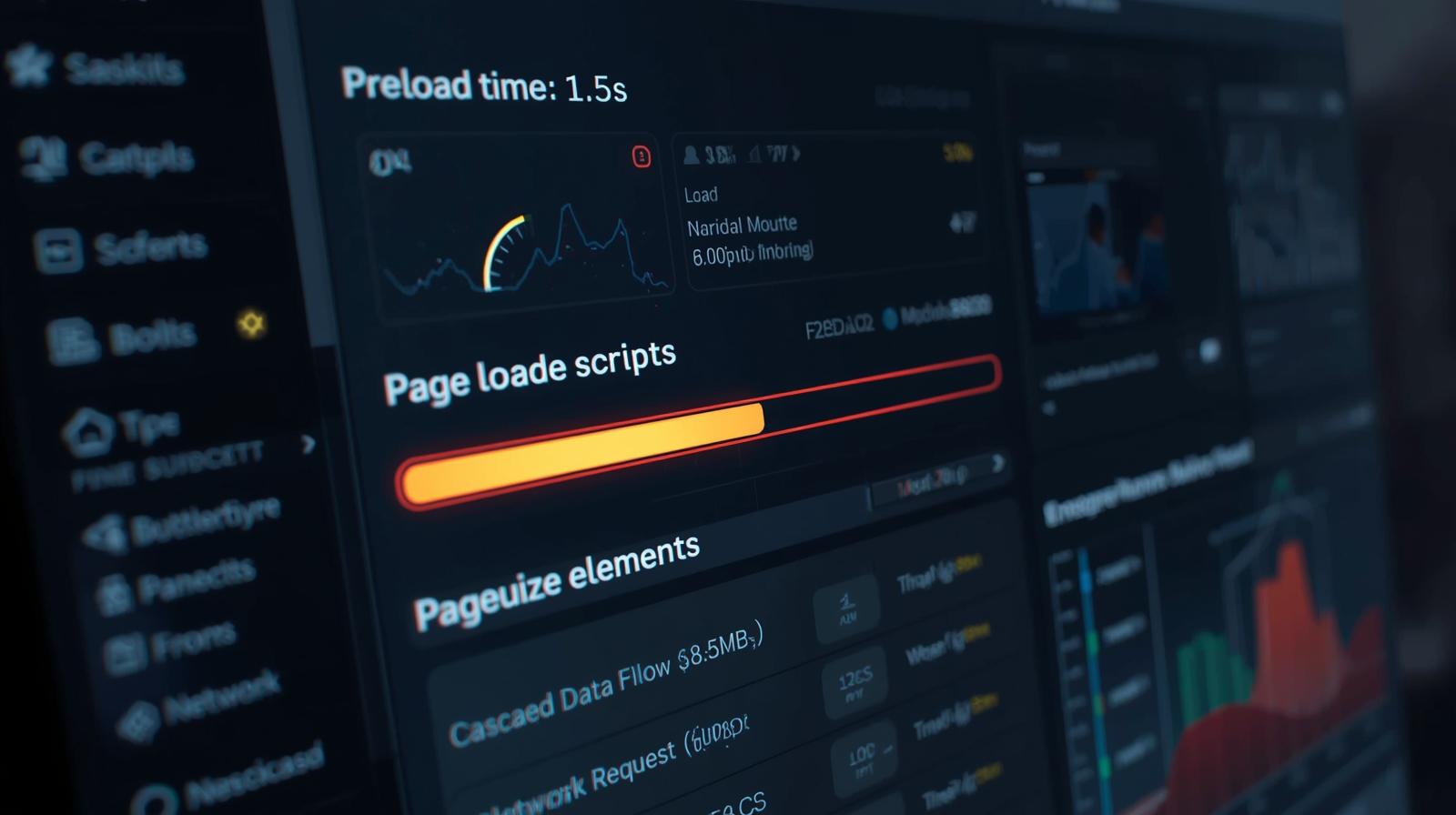
Preloaded features and scripts increase page weight. When unnecessary components load by default, performance suffers regardless of content size.
➤ Change Constraints
Templates often restrict layout and functionality changes. When business needs evolve, workarounds replace clean updates, increasing complexity.

Website Template Security
Template security depends on update cadence and code quality. Low-cost themes often rely on infrequent updates or abandoned repositories. When patches lag behind platform changes, compatibility and security risks increase without clear warning signals.
How This Relates to the Broader Content Cluster
Template-related risks sit within a wider discussion about structural trade-offs in website decisions. These contrasts are explored further in cheap vs. professional web design for small businesses , which explains how early technical choices affect long-term reliability and control.
Common Mistake to Avoid
A common mistake is assuming templates can always be “fixed later.” This happens because early limitations are hidden during simple use cases. The consequence is discovering that core changes require replacing the theme entirely rather than adjusting it.
“Cheap templates can introduce hidden risks that limit website security, performance, and long-term flexibility. Polished demo appearances often mislead business owners into equating design quality with technical quality, while limitations and dependencies remain hidden behind the scenes.”
🔗 Keyvelopers Team
When This Topic Matters Less
Template risks matter less for temporary websites, short campaigns, or internal projects. In those cases, long-term flexibility and update cycles are not primary concerns.
In Practice
A small business launches with a low-cost template that includes bundled plugins and preset layouts. Months later, performance issues appear after platform updates. Because the template controls key components, fixes require disabling features that the site depends on, forcing a redesign instead of incremental repair.

What You Can Decide After This
- ➤ Whether template limitations align with long-term website needs
- ➤ Which risks come from shared code versus custom structure
- ➤ Which changes would be difficult to implement later
Visual & Data Guidance
Optional visual: a diagram comparing template-controlled elements versus customizable site components. This difference is easier to see when structural ownership boundaries are illustrated side by side.
Meet the Expert
Omid Mohsenian is a senior strategist at Keyvelopers who works with Chicago small businesses on evaluating structural website risks. His perspective focuses on how shared templates affect update cycles and long-term maintenance control rather than surface-level design.
LinkedIn:https://www.linkedin.com/in/omid-mohsenian-34422b4a/

keyvelopers is an SEO & AI search strategist specializing in Semantic SEO, entities, and GEO‑focused optimization.
